
Notes importantes
Les couleurs des bijoux sur la photo peuvent différer légèrement de la réalité, en fonction de la résolution. Chaque objet est fait main et présente des caractéristiques uniques.Tableau des tailles

GUIDE DES TAILLES
Trouvez votre taille
Étapes simples pour mesurer la taille correcte de votre poignet :
Pour mesurer la circonférence de votre poignet, vous pouvez utiliser un gabarit en papier ou un mètre ruban. Cette mesure correspond à la circonférence de votre poignet, que vous devez connaître pour trouver la taille appropriée (S - M - L - XL).
| Taille | Cm | Pouce | Extension |
|---|---|---|---|
| S | 16 17 | 6,30 6,69 | 3 cm - 1,20 pouce 3 cm - 1,20 pouce |
| M | 18 19 | 7,09 7,48 | 3 cm - 1,20 pouce 3 cm - 1,20 pouce |
| L | 20 21 | 7,87 8,27 | 3 cm - 1,20 pouce 3 cm - 1,20 pouce |
| XL | 22 | 8,66 | 3 cm - 1,20 pouce |

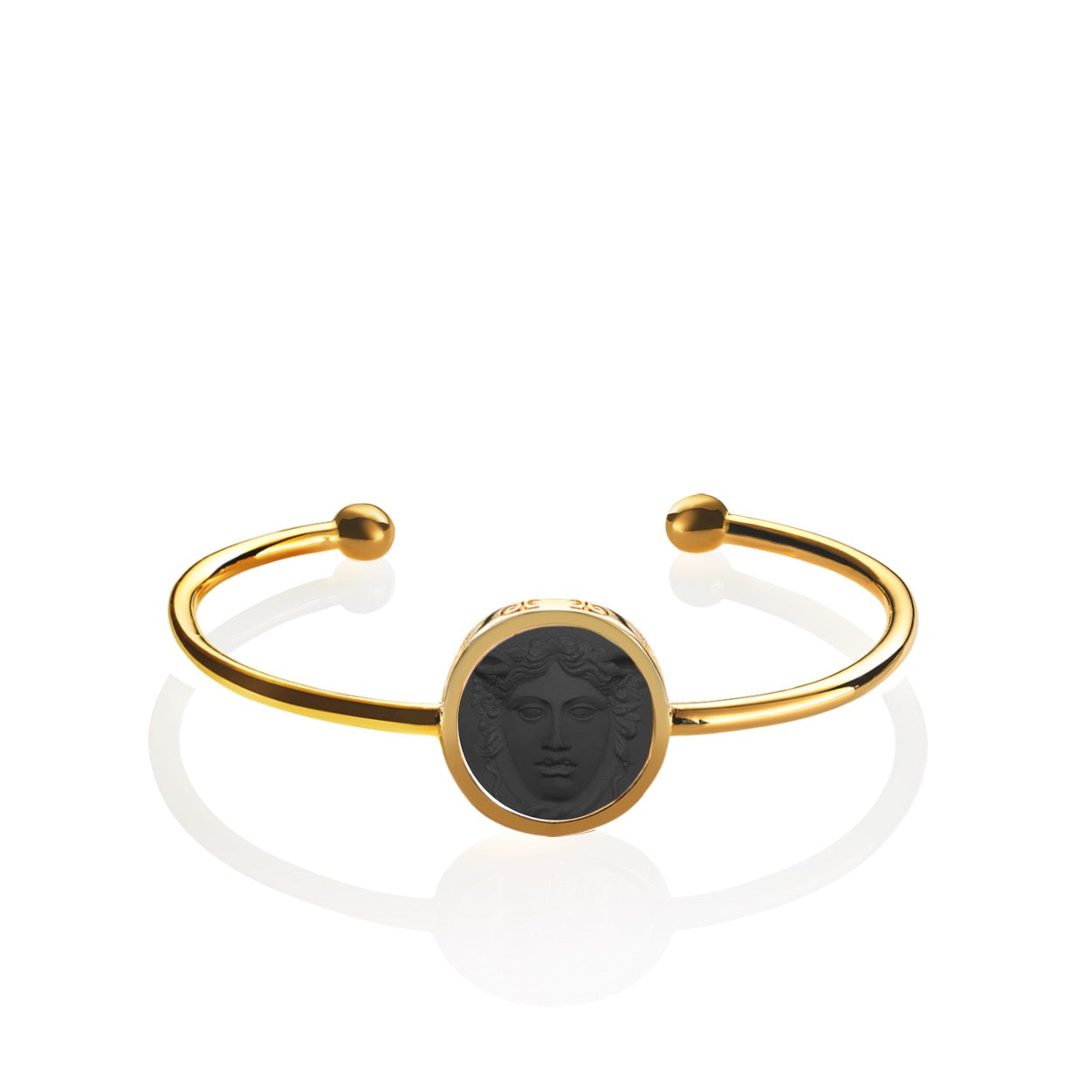
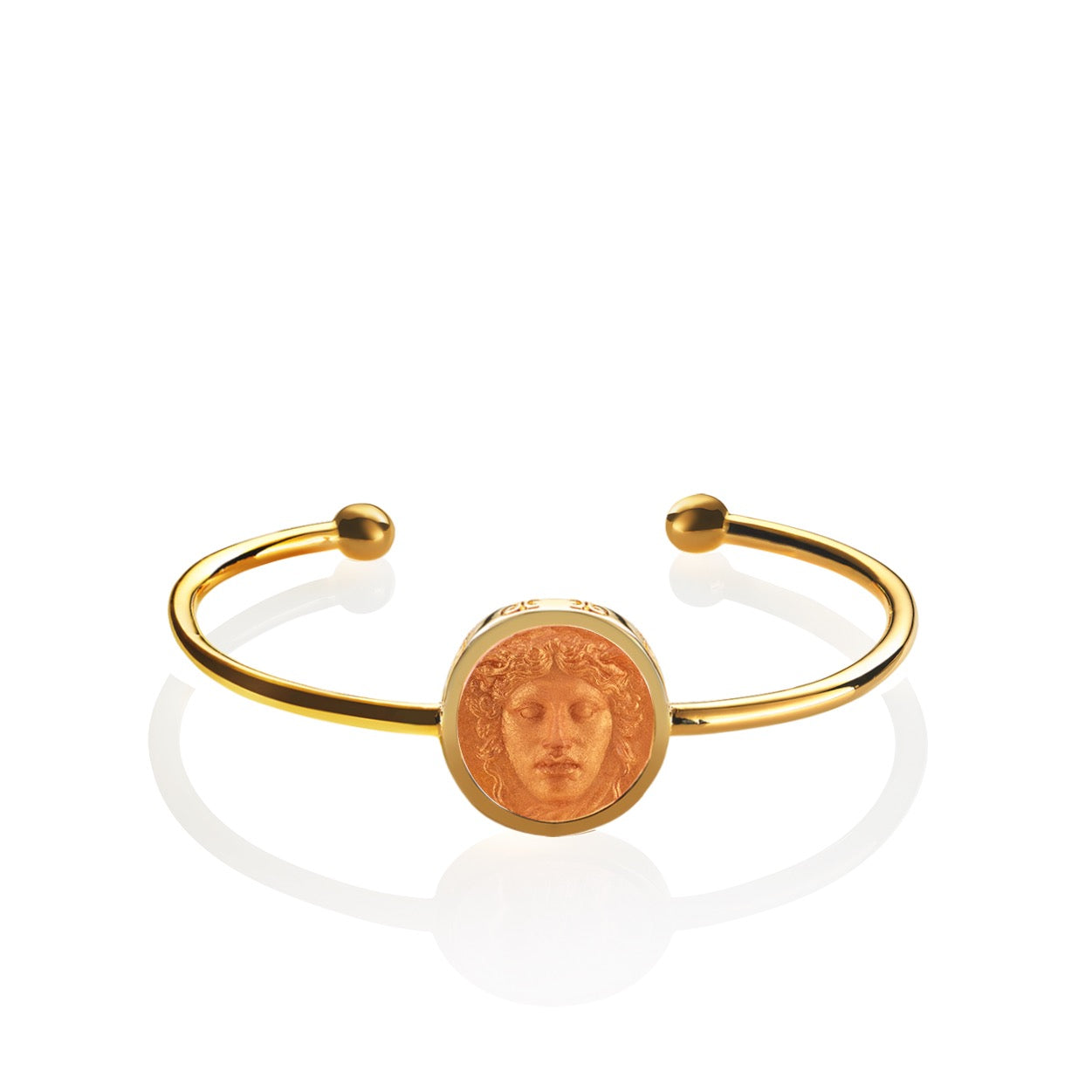
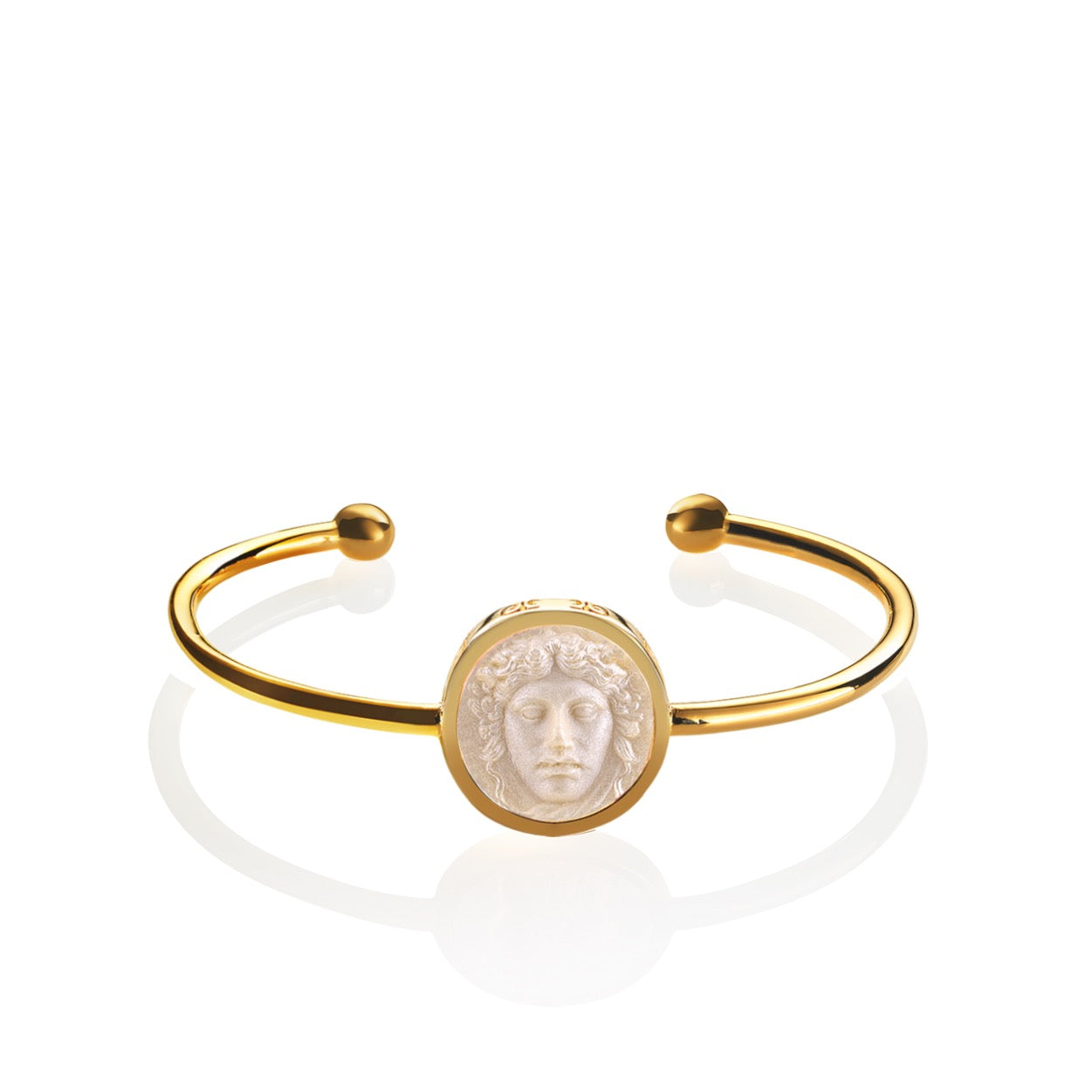
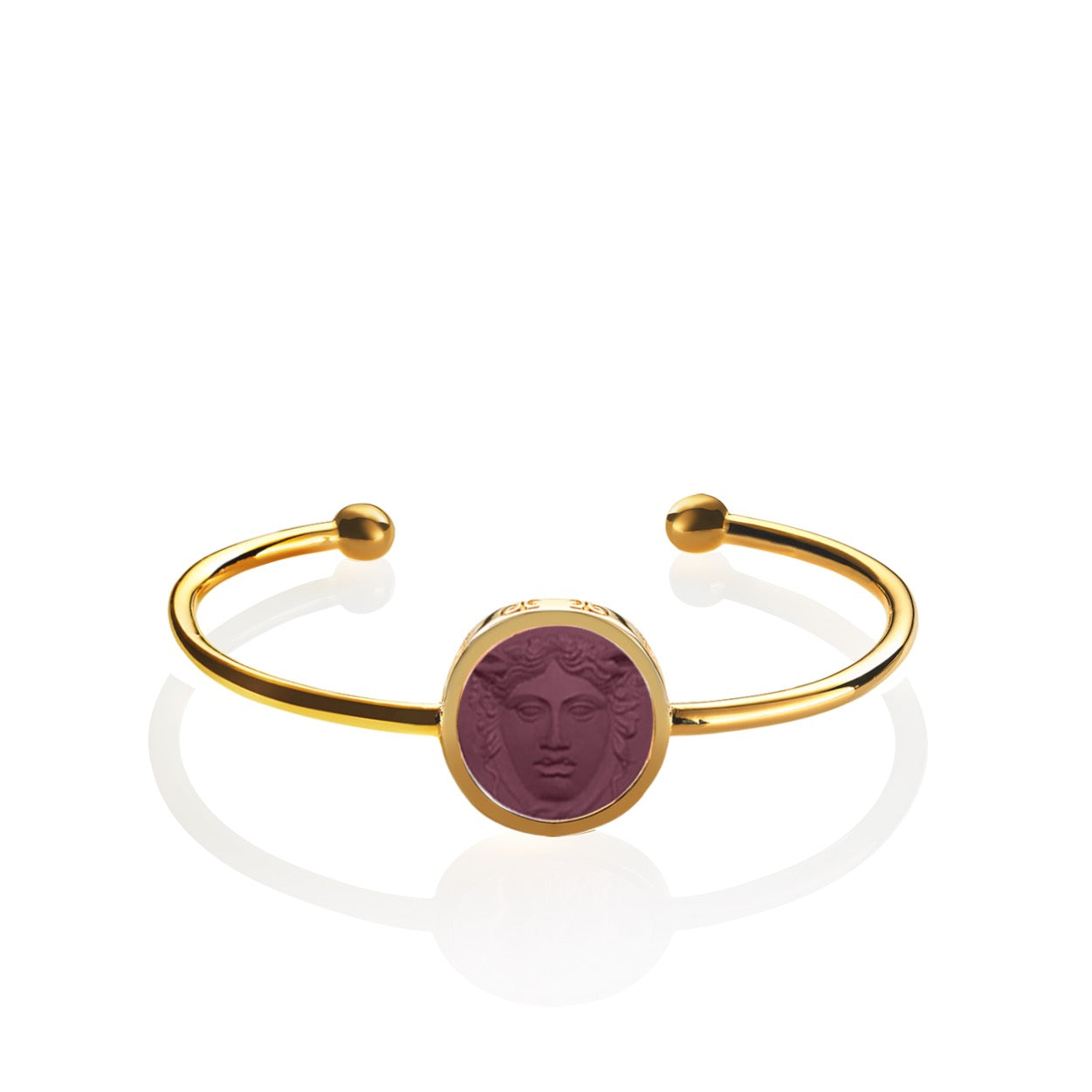
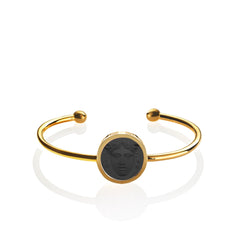
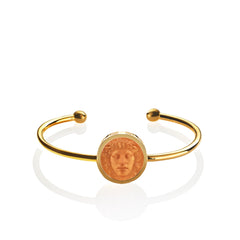
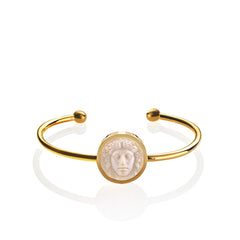
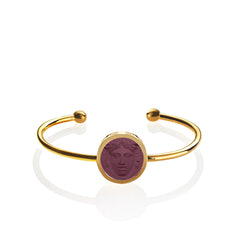
Medusa Rondanini
The so-called “Rondanini Medusa”. Marble, Roman copy of a 5th-century BC Greek original by Phidias, which was set on the shield of Athena Parthenos. The Munich Glyptothek’s Medusa Rondanini is possibly a 5th-century BC work, and the oldest-known ”beautiful gorgoneion” sculpture. The design may have been copied from a gilded bronze aegis that once hung in the Acropolis, where it would have been meant to ward off evil and bad luck. A revision of the grotesque, disk-shaped death masks of older gorgoneia, the Medusa Rondanini appears to borrow the idealized likeness of Athena of Velletri, wreathed in decorative snakes and delicate owl wings—Chthonic dread and death mixed with Olympian beauty and cunning. While on display in the Palazzo Rondanini in Rome, it was noticed and first brought to the attention of Northern European art connoisseurs in the 1780s by Johann Wolfgang von Goethe, who wrote, “I would say something about it if everything one could say about such a work were not a waste of breath.” Located in the Glyptotheum of Munich
Afficher tous les produits- Le choix d’une sélection entraîne une actualisation complète de la page.